On the thread connecting Hildegard, Muir, and Einstein — and maybe you.
People ask me why I chose the word “unruly.” It sounds almost negative — like someone who can’t sit still in class, who refuses to follow the rules, who makes trouble. And honestly? That’s exactly why I chose it.
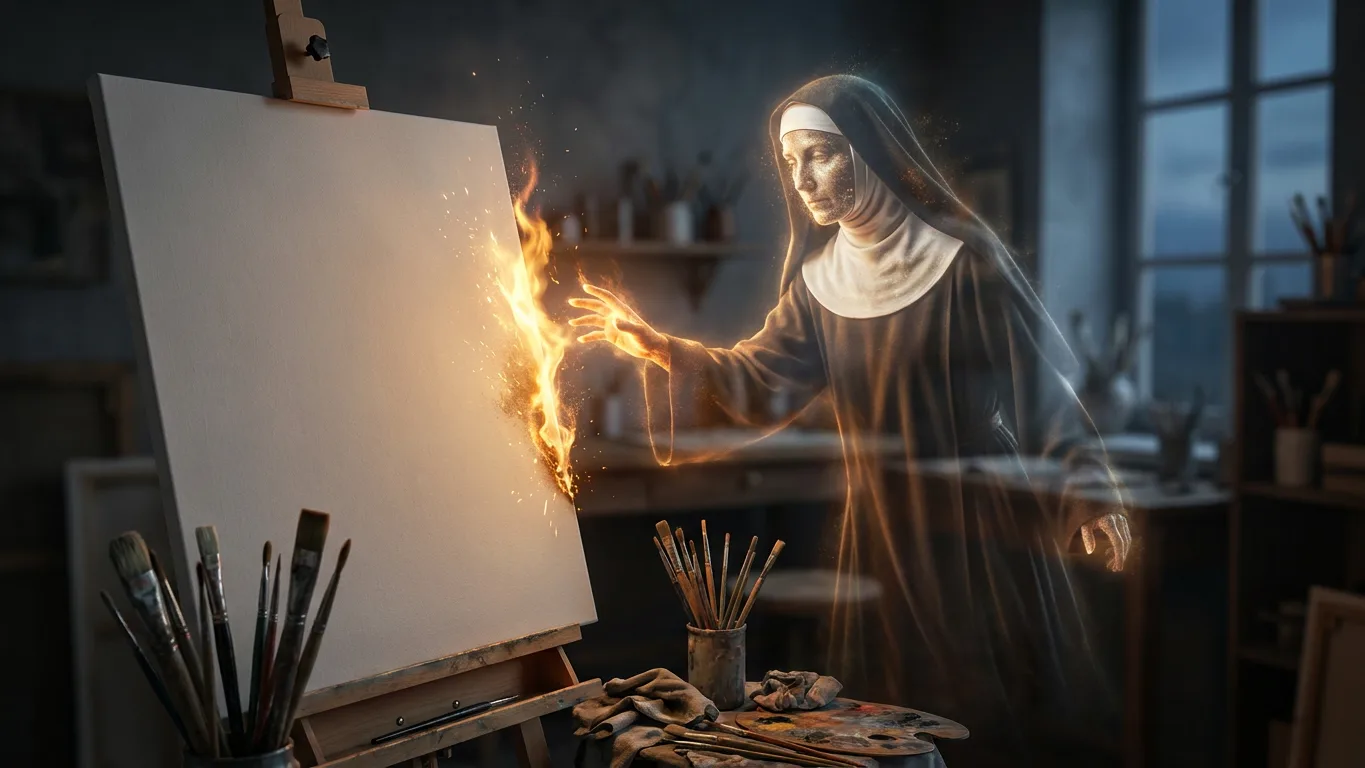
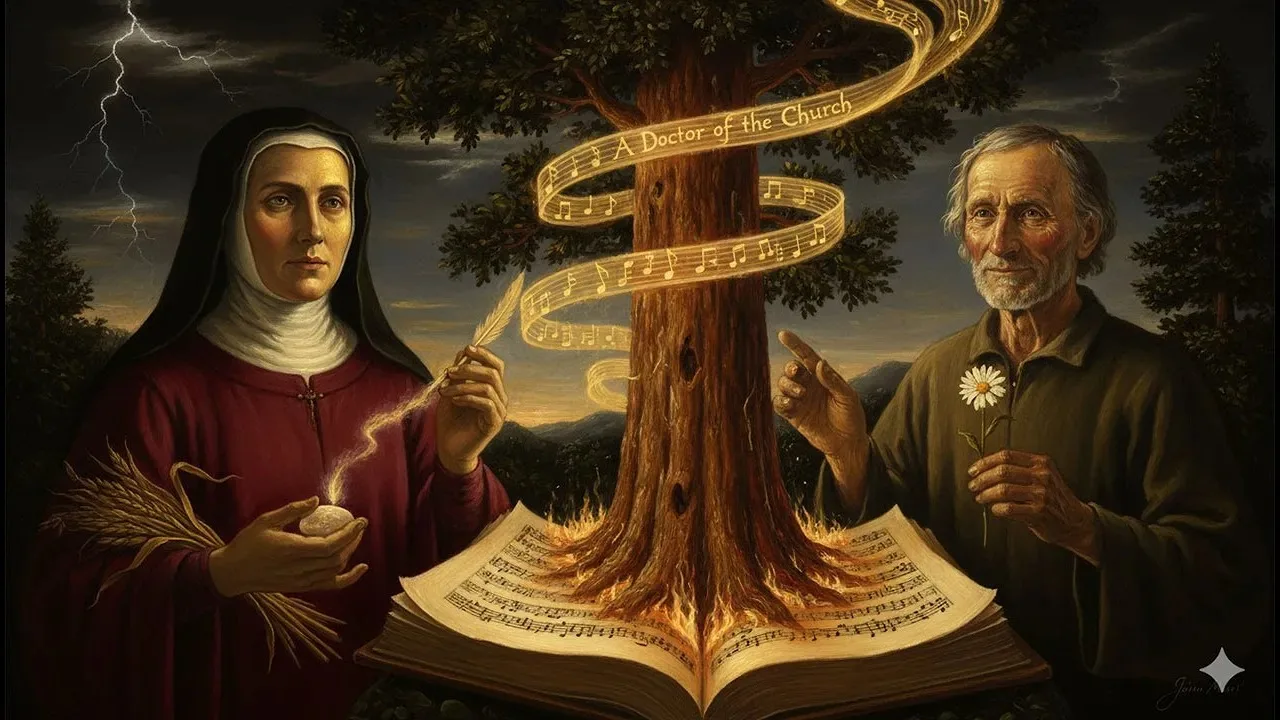
Hildegard von Bingen was a 12th-century abbess who composed music, wrote theology, practiced medicine, and corresponded with popes and emperors — at a time when women were expected to do none of those things. John Muir left a promising career, walked a thousand miles from Indiana to the Gulf of Mexico, and spent years living alone in Yosemite before anyone took him seriously as a voice for the American wilderness. Albert Einstein failed his entrance exam to the Swiss Federal Polytechnic, was largely ignored by the academic establishment early in his career, and developed his theory of special relativity while working as a patent clerk.
None of them fit the mold. All of them changed the world.
The Mystic Part
The word mystic gets misused. People assume it means someone who floats through life in a spiritual haze, disconnected from the practical world. But every mystic I have spent time studying — through years of research, travel, and filmmaking — was fiercely engaged with reality. What made them mystics wasn’t detachment. It was depth of perception.
Hildegard didn’t just pray — she saw. Her visions weren’t escapes from the world; they were a way of reading it more completely. Muir didn’t just hike — he listened. He heard something in the Sierra Nevada that most people walk past without registering. Einstein didn’t just calculate — he imagined. He asked what it would feel like to ride alongside a beam of light, and that question cracked open modern physics.
The mystic is someone for whom the ordinary world is not enough — not because they reject it, but because they sense there is more to it than most people stop to notice.
The Unruly Part
Here is what all three of my subjects share: they refused to let the conventions of their time define the boundaries of their perception. Hildegard wrote in Latin at a time when women weren’t supposed to be theologians. Muir argued for wilderness preservation when manifest destiny was America’s operating religion. Einstein published his most radical ideas as an outsider, without the institutional backing that normally confers credibility.
Being unruly isn’t about rebellion for its own sake. It’s about being so committed to what you genuinely see and know that you can’t pretend otherwise — even when the world would be more comfortable if you did.
That takes a particular kind of courage. Not the dramatic, battlefield kind. The quieter, daily kind — the courage to keep trusting your own perception when everything around you is telling you to conform.
Why It Matters Now
I didn’t set out to make a series about historical figures. I set out to make films about a quality of aliveness that I find increasingly rare and increasingly necessary. Each generation needs to rediscover its own unruly mystics — the ones who stood strong, remained open, and stayed wide awake when the world rewarded sleep.
Hildegard’s medicine is practiced in Europe today. Muir’s national parks are still standing. Einstein’s equations are still running. The things these people saw — really saw — turned out to be durable in ways that the conventional wisdom of their eras was not.
That is the invitation of this series. Not to venerate historical figures from a safe distance, but to ask: what is the unruly mystic quality in your own life? Where are you being called to trust your own perception more fully — even when it’s inconvenient?
I don’t think mystics are rare. I think they are everywhere, in various stages of becoming. The series is for them.
Trust your own perception somewhere it actually happened. Walk the ground that shaped Muir on Walking in the Footsteps of John Muir: Scottish Beginnings, May 14–25, 2027.